
Influencer Marketing Strategy
Freelance Influencer Marketing Consultant: partnerships built on real engagement
I'm Robbie Centellas, a freelance influencer marketing consultant based in London. I build creator partnerships rooted in relevant audiences and clear objectives, rather than reach alone, for consumer and health brands.
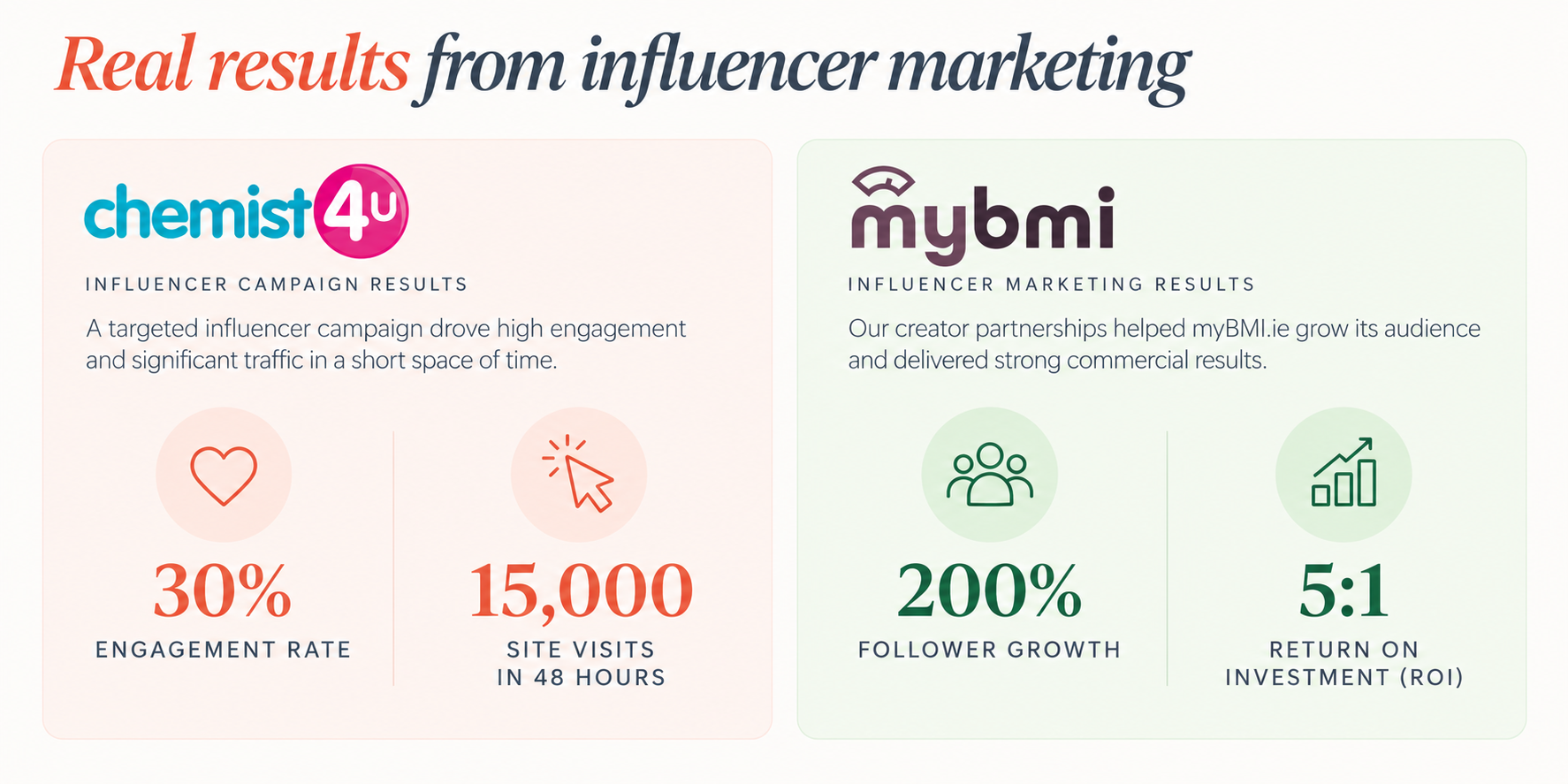
I led the Eat Less Move More campaign with Amy Tapper and Fat Tony, which drove a 30% engagement rate and 15,000 site visits, and built myBMI.ie's creator programme to 200% follower growth and a 5:1 ROI.
Explore the freelance influencer marketing services I offer.
Why influencer marketing strategy deserves the same rigour as any other discipline
Influencer marketing is still, in too many organisations, treated as a bolt on to the media plan, a line item for gifting or a single paid partnership rather than a proper strategic discipline. That approach consistently underdelivers. Done well, influencer marketing draws on the trust building principles of earned media, the storytelling craft of content marketing and the targeting precision of paid social, and it deserves a strategy built with the same rigour as any of those disciplines individually.
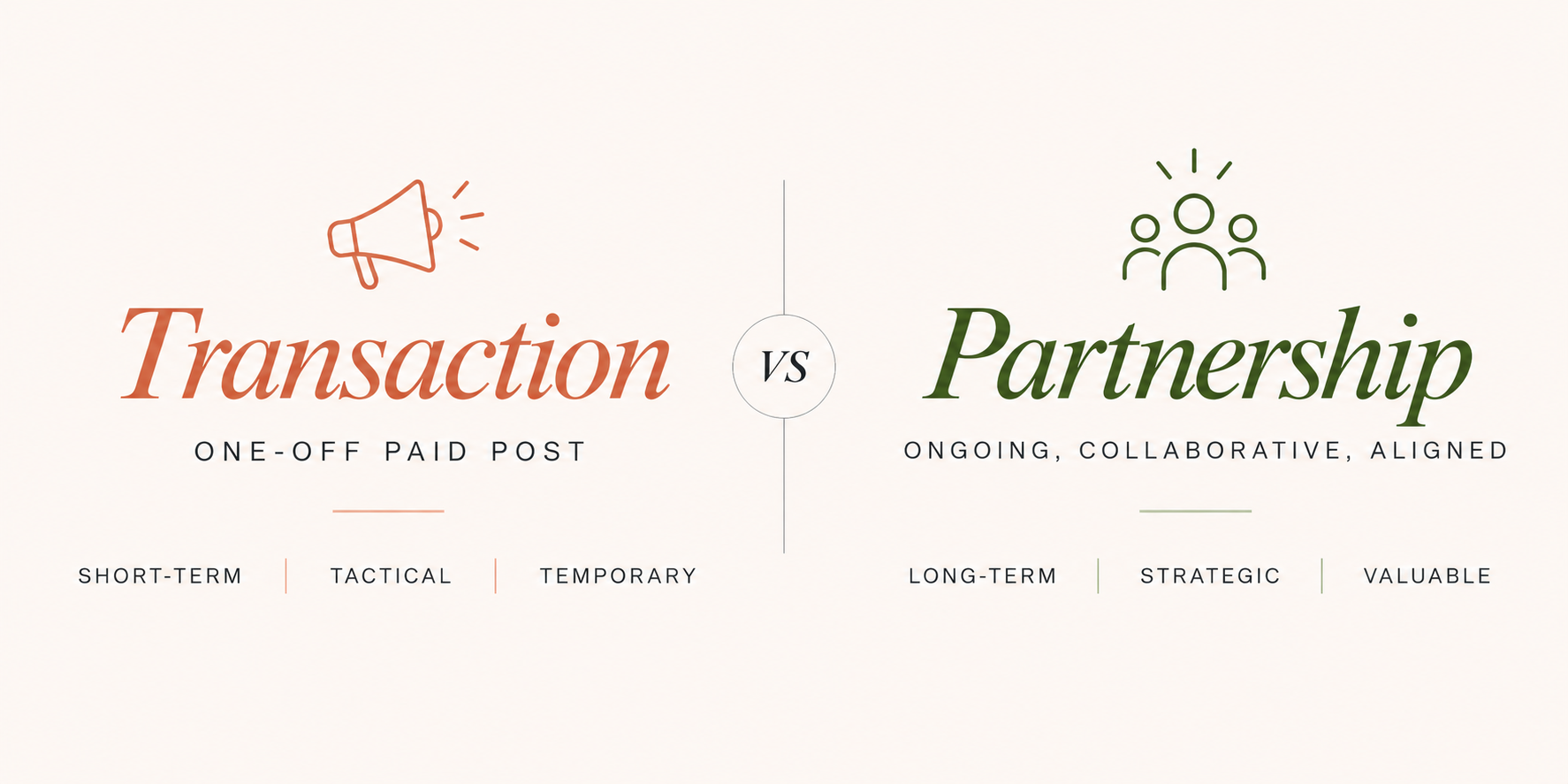
The brands that get real, lasting value from influencer marketing are the ones treating it as a real partnership model rather than a transaction. That means selecting partners for authentic audience alignment rather than follower count alone, building content collaboratively rather than issuing a brief and hoping for the best, and measuring success against real commercial and audience building outcomes rather than vanity engagement numbers.
I've built and led influencer marketing strategy in one of the more sensitive categories it can operate in, consumer health, where the margin for getting audience trust and regulatory accuracy wrong is low, and the campaigns that worked best were the ones built on the same strategic foundations that make any communications discipline succeed, real insight, the right partner and a clear, honest story.
What influencer marketing strategy actually covers
Influencer marketing strategy is the discipline of identifying, building relationships with and creating campaigns alongside individuals who hold real trust and reach with a defined audience, in service of a clear brand or commercial objective. It spans a wide spectrum, from macro talent with mainstream recognition to niche micro and nano creators whose smaller, highly engaged communities can outperform bigger names on trust and conversion.
The core components of a strong influencer marketing strategy include:
Partner identification and vetting, finding creators whose audience, values and content style align with the brand, not just those with the largest following
Relationship building and briefing, developing real collaborative relationships with talent and their teams rather than one-off transactional bookings
Creative and content development, building campaigns that let the partner's authentic voice carry the message rather than forcing brand language into their content
Compliance and regulatory oversight, particularly critical in regulated categories like health, finance and alcohol, where advertising standards and clinical accuracy cannot be compromised for creative flair
Distribution and amplification, deciding how partner content is used across owned, earned and paid channels beyond the partner's own platform
Measurement and reporting, tracking real audience and commercial impact rather than surface level engagement metrics
The core pillars of an influencer marketing strategy
Partner identification and audience alignment
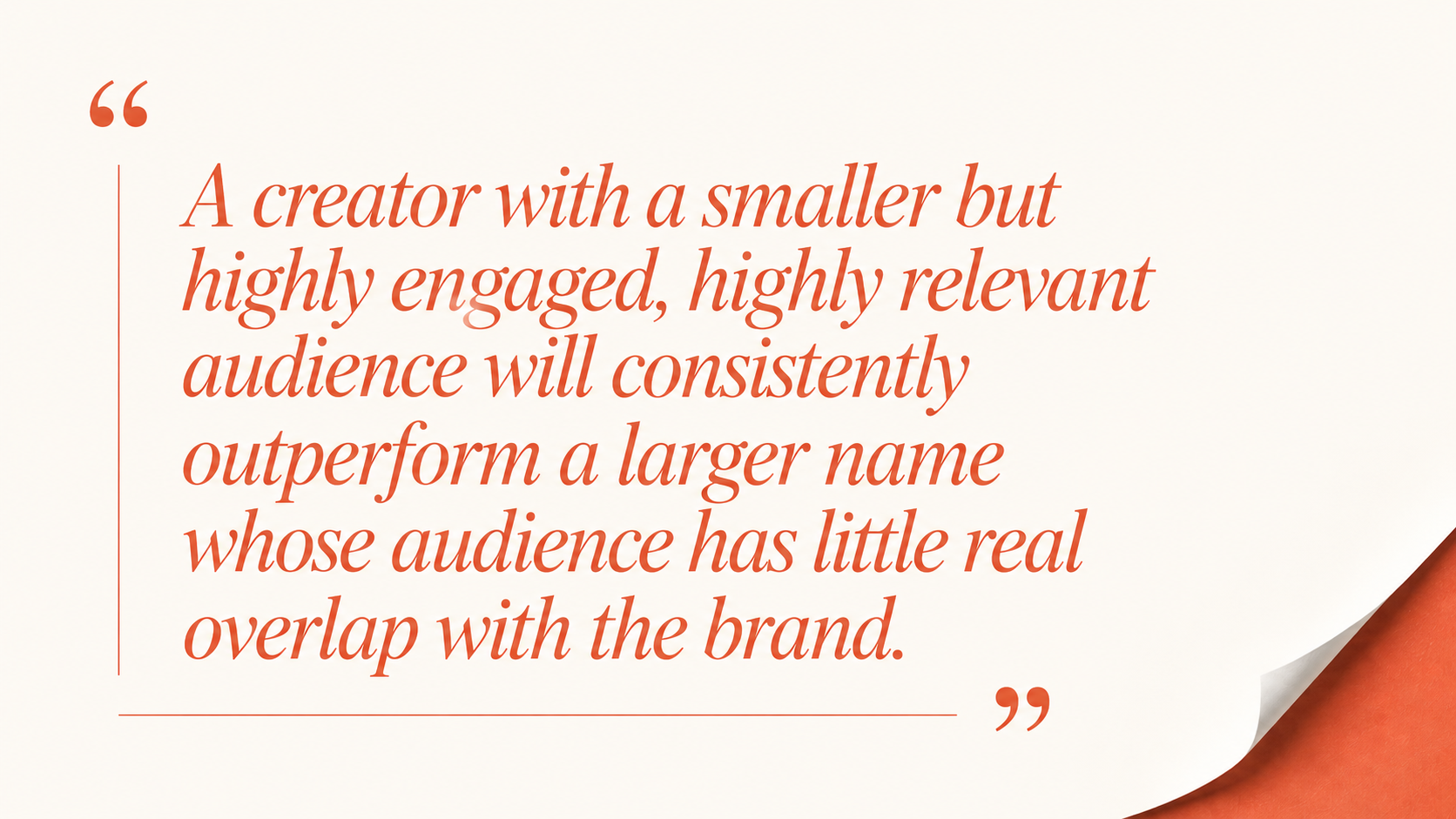
The single biggest determinant of influencer campaign success is partner selection, and the biggest mistake brands make is optimising for follower count over real audience alignment. A creator with a smaller but highly engaged, highly relevant audience will consistently outperform a larger name whose audience has little real overlap with the brand's target customer.
Proper partner identification requires looking beyond the headline numbers, understanding a creator's actual engagement quality, the demographic and psychographic makeup of their audience, their existing content style and tone, and critically, whether their personal brand and values genuinely fit the brand they would be representing. A mismatched partnership, however large the reach, tends to read as inauthentic to the audience and can actively damage trust rather than build it.
Relationship building beyond the transaction
The strongest influencer partnerships are built as real relationships, not single campaign transactions. This means investing time in understanding a creator's own goals and creative instincts, involving them meaningfully in campaign development rather than handing over a rigid brief, and treating successful partnerships as the foundation for ongoing collaboration rather than a one off spend.
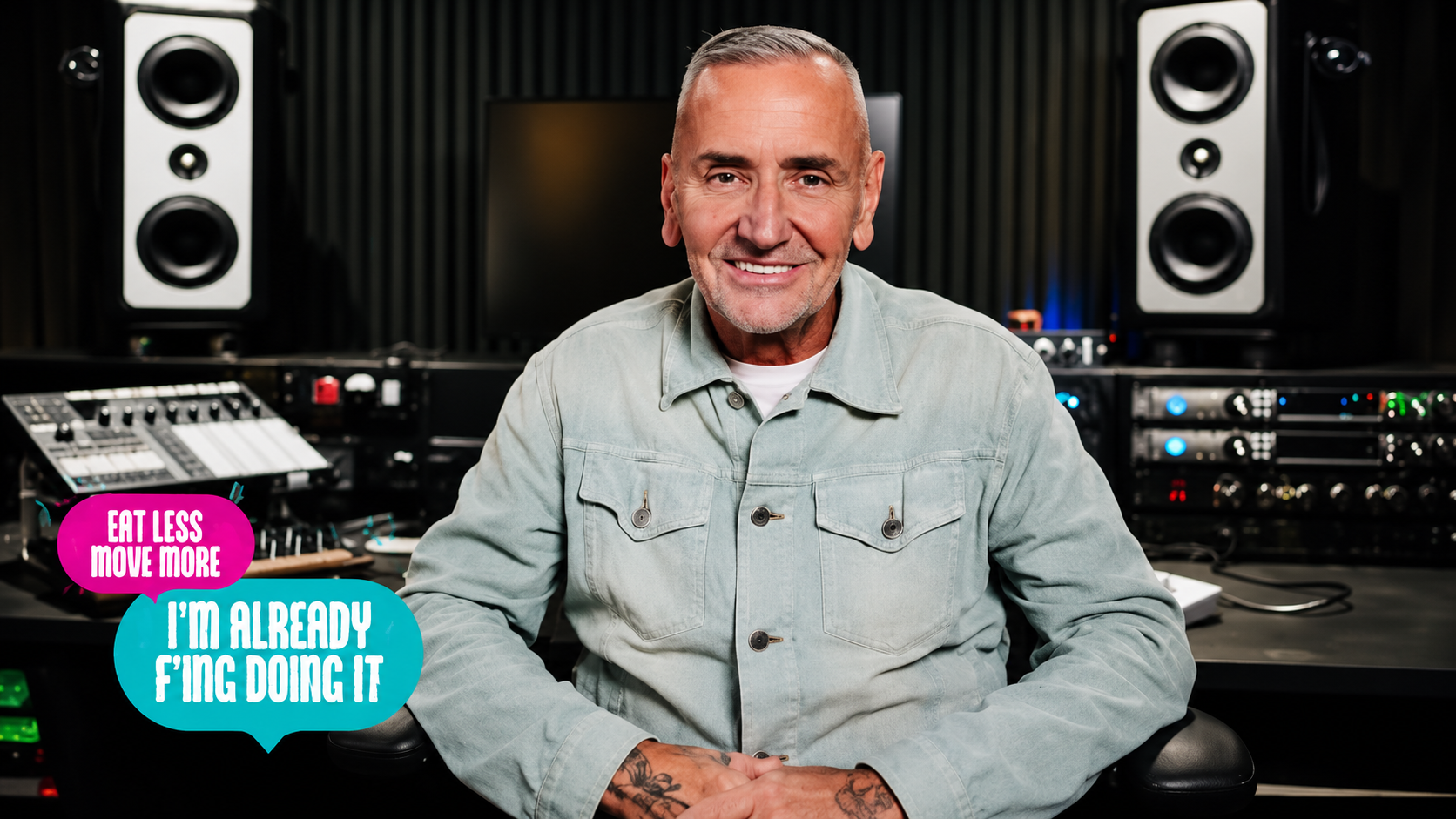
I developed and led the Eat Less Move More campaign for Chemist4U, which brought together Amy Tapper, star of Gogglebox, and DJ and advocate Fat Tony to front an original anti-bullying track addressing weight loss stigma, with every stream generating a donation to the National Bullying Helpline. The campaign worked because the partnership was built around a shared cause both talent cared about personally, not simply a paid endorsement, letting them bring authentic creative input to a message that mattered to them, which is precisely why it achieved a 30% average engagement rate and drove 15,000 site visits, and ultimately, the number one share of voice in UK weight loss media.
Creative development and authentic storytelling
The best performing influencer content rarely looks like traditional advertising. Audiences are highly attuned to inauthenticity, and content that feels like a script handed to a creator consistently underperforms content that lets the partner's own voice, humour and storytelling style carry the brand message. This requires brands to hold their messaging framework loosely enough to let real creative collaboration happen, while maintaining clear guardrails around factual accuracy and compliance, particularly in regulated categories.
Compliance and category specific considerations
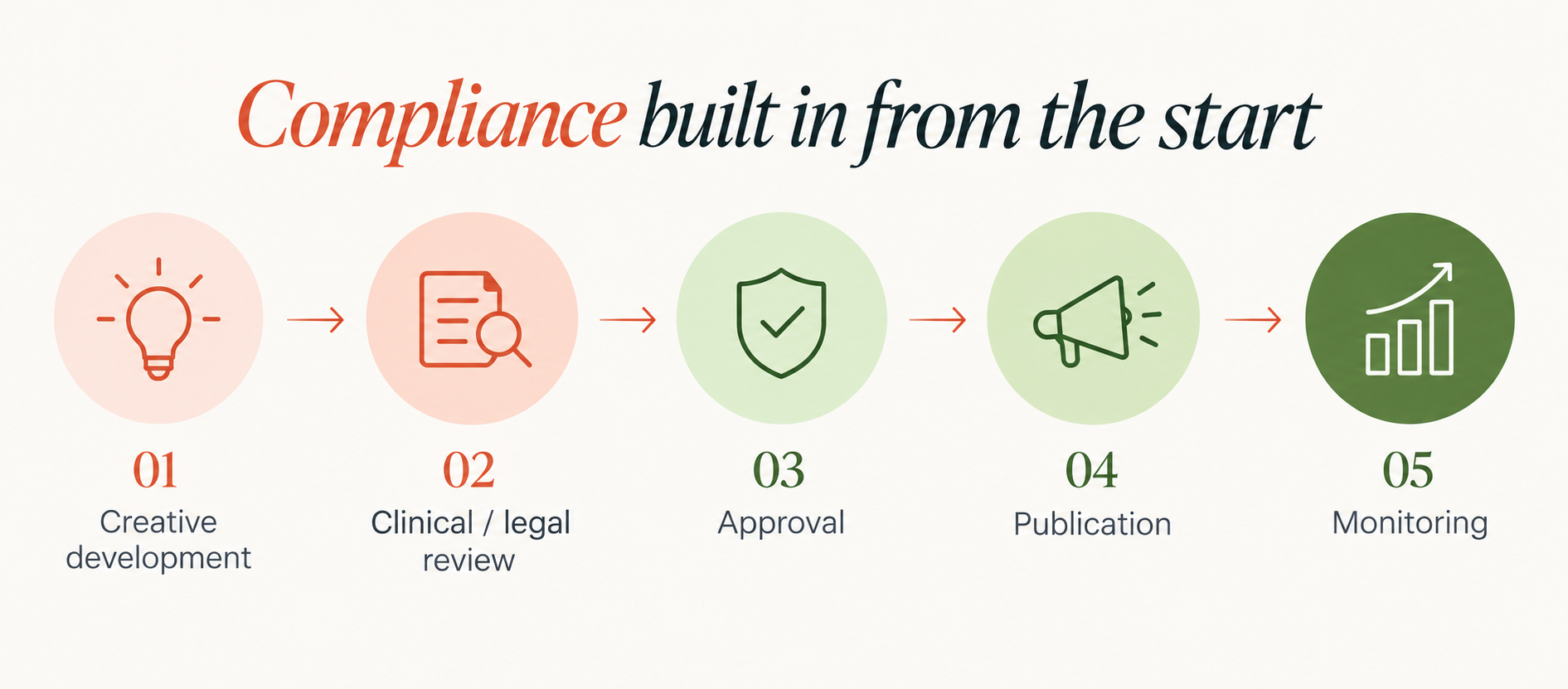
Influencer marketing in regulated categories, health, pharmaceuticals, finance and similar, carries specific obligations that a generic influencer strategy does not account for. Content needs to meet advertising standards disclosure requirements, and in health specifically, claims need to be clinically accurate and appropriately caveated, which means compliance and clinical oversight need to be built into the campaign process from creative development onward, not bolted on as a final approval step.
This is an area where I've worked directly with clinical teams to ensure influencer-led health content met both creative ambition and regulatory accuracy, including close collaboration with Novo Nordisk's Director of Obesity and clinical team on accuracy-checking editorial and campaign content, experience that shapes how I approach any influencer campaign in a sensitive category.
Measurement beyond vanity metrics
Influencer marketing measurement has matured well beyond simple engagement counts. A credible strategy tracks real audience growth and retention, engagement quality rather than raw volume, referral traffic and conversion where trackable, sentiment and brand perception shift, and return on investment calculated against the actual campaign spend rather than estimated media value alone.
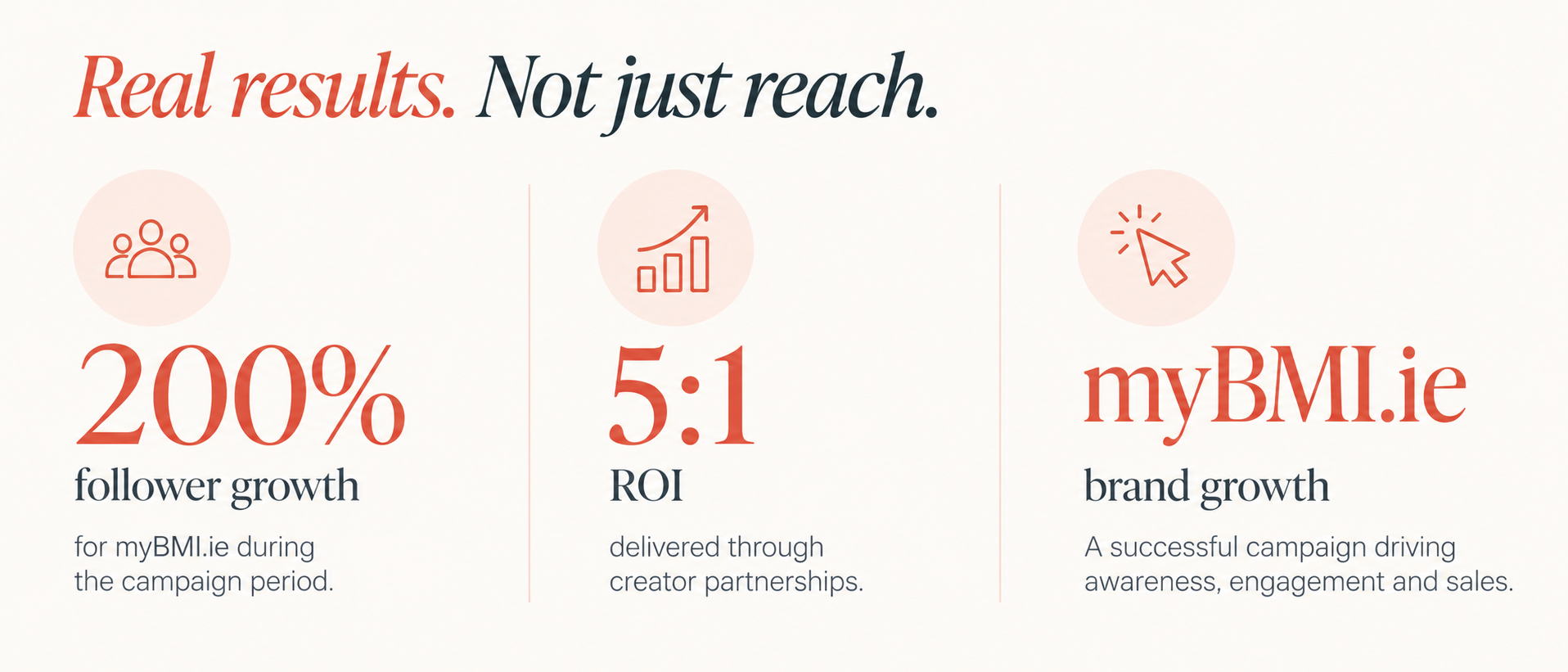
The influencer programme I built for myBMI.ie in Ireland delivered 200% follower growth and a 5:1 return on investment, results that came from treating the programme as an ongoing strategic asset with consistent measurement, rather than a series of disconnected one-off partnerships evaluated in isolation.
Influencer marketing strategy and AI search
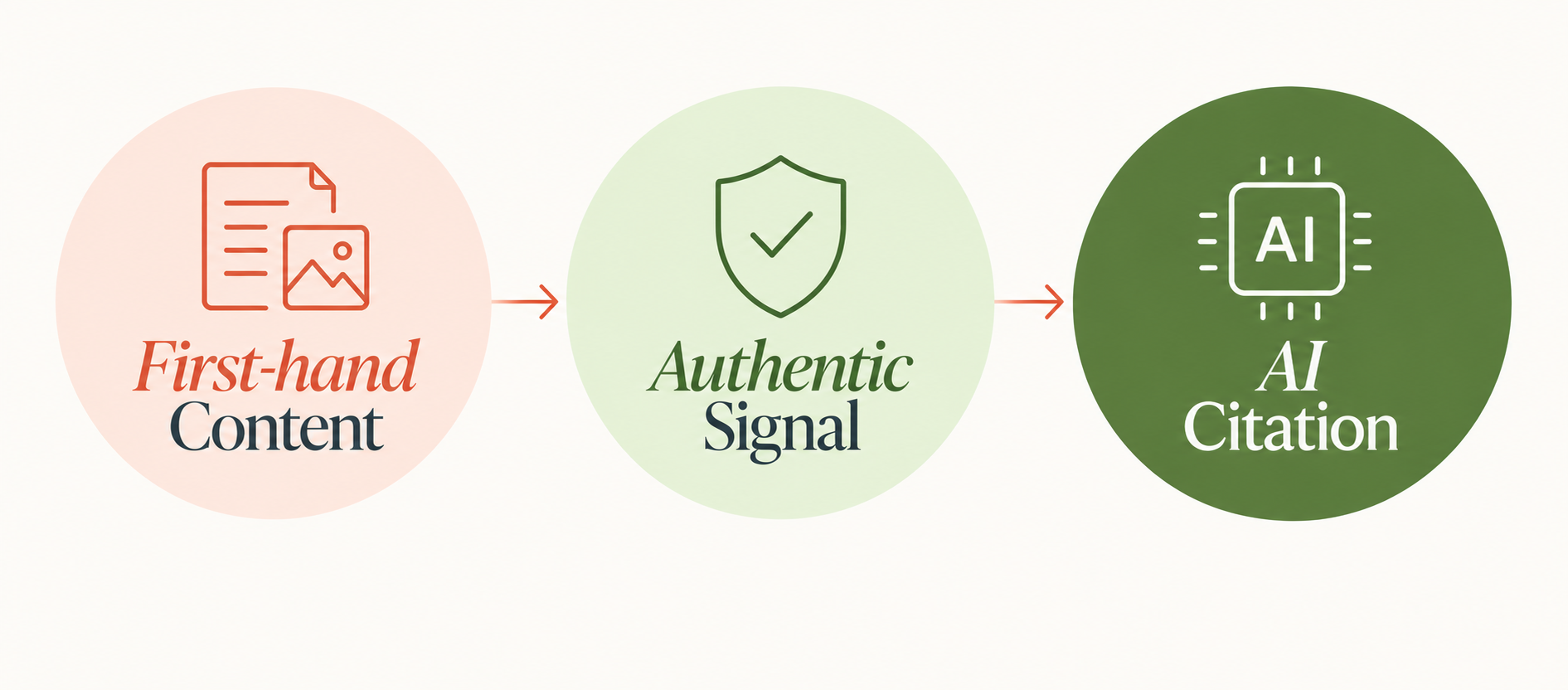
Creator content does more than reach audiences. Mentions on YouTube and other platforms now help shape how AI tools describe brands, a big part of my AI search and brand discoverability work.
Why creator content is becoming a trusted source for AI search
AI powered search and answer engines, including Google's AI Overviews, ChatGPT search and Perplexity, are increasingly drawing on a wider range of sources than traditional news and editorial content alone, and creator generated content, reviews, comparisons, first hand product experiences and health or lifestyle guidance from trusted voices, is increasingly part of that mix, particularly for product related and experience led queries.
This is a meaningful shift for influencer marketing strategy. Where creator content has traditionally been valued for its direct reach and engagement with a following, it now carries a second, growing value, as a source of the kind of first-hand, detailed, authentic content that AI systems are increasingly synthesising into answers for people who never saw the original post or video at all.
Where this matters most
This shift is particularly relevant for categories where people are actively researching before a decision, health and wellbeing among them, where credible voices discussing real experiences carry particular weight, and where AI systems appear to place real value on content that demonstrates authentic, first hand experience over generic marketing language. A well chosen, credible influencer partnership can produce exactly the kind of content, detailed, specific, experience based, that performs well in this new discovery layer, well beyond the partnership's original campaign window.
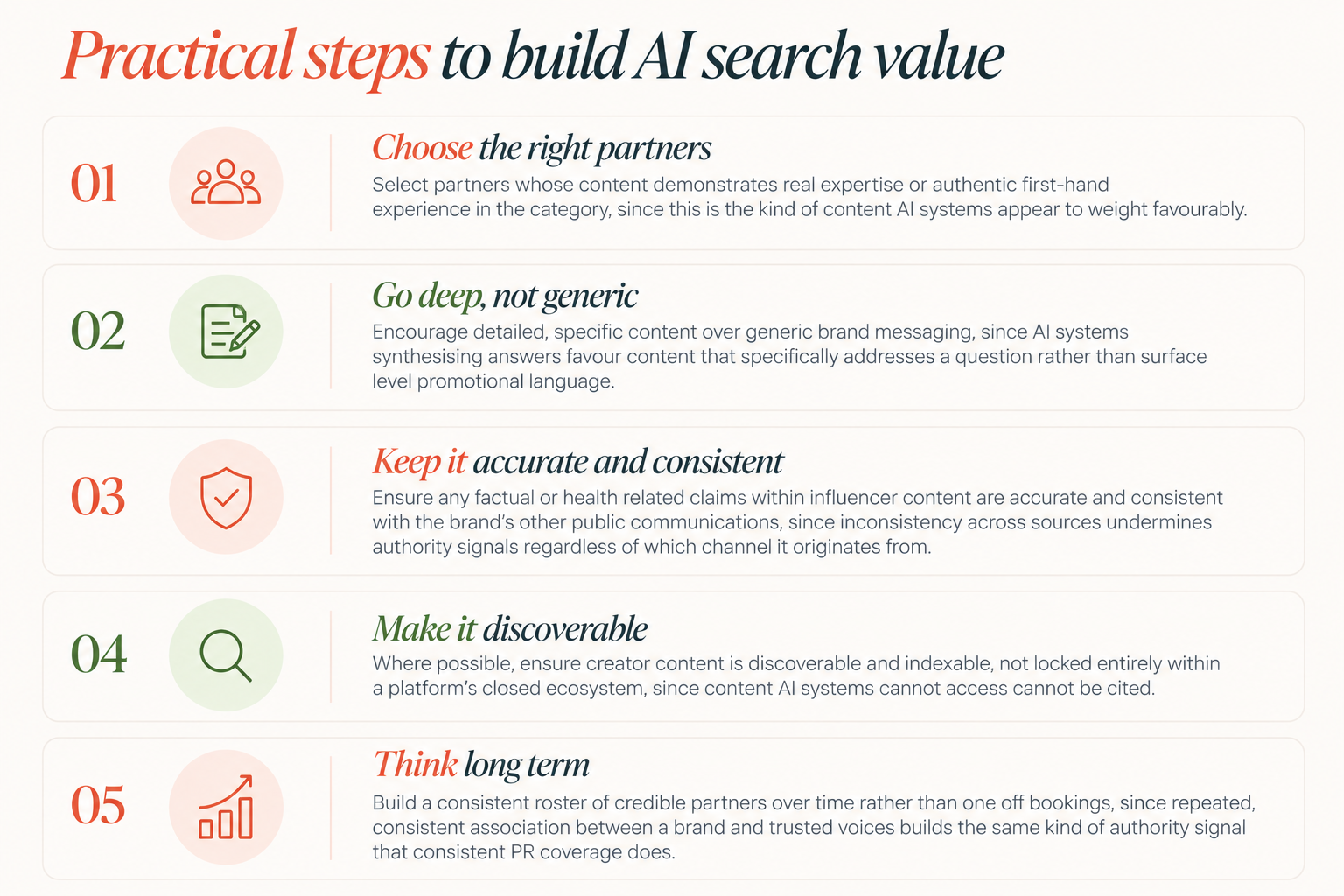
Building AI search value into influencer marketing
The opportunity for brands and creators alike
This shift benefits credible creators and the brands that partner with them thoughtfully, and it further disadvantages influencer strategies built purely around reach and follower count rather than real trust and expertise. As AI search continues to reshape how people discover information, particularly in categories like health where trust matters enormously, influencer marketing strategy built on authenticity and real partnership is increasingly not just the ethically sound approach but the commercially effective one.
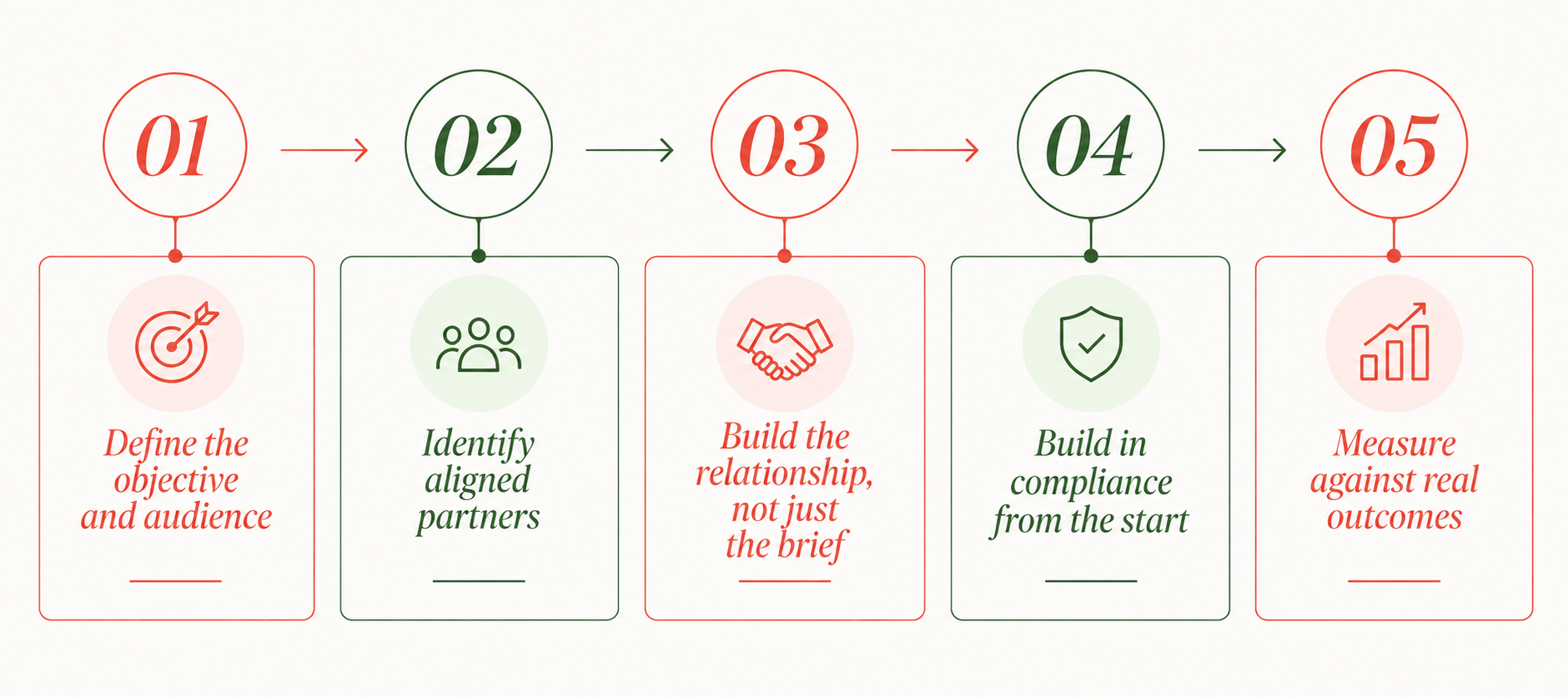
Building your influencer marketing strategy: a practical framework
Step one: define the objective and audience
Establish clearly what the campaign needs to achieve, whether that is brand awareness, audience growth, direct conversion or category authority, and precisely which audience it needs to reach.
Step two: identify aligned partners
Prioritise audience and values alignment over raw reach, using real engagement quality and content style as key selection criteria rather than follower count alone.
Step three: build the relationship, not just the brief
Invest in real collaboration with partners, allowing their authentic voice and creative instincts to shape the campaign within clear factual and compliance guardrails.
Step four: build in compliance from the start
For any regulated category, involve legal and clinical or compliance oversight from creative development onward, not as a final approval gate.
Step five: measure against real outcomes
Track real audience growth, engagement quality, conversion and return on investment, treating successful partnerships as the foundation for ongoing collaboration rather than isolated campaigns.
Common pitfalls in influencer marketing strategy
The most common failure point is prioritising follower count and estimated media value over real audience alignment and content authenticity. Other recurring issues include treating partnerships as one-off transactions rather than relationships worth building over time, underinvesting in compliance oversight for regulated categories until a problem forces the issue, briefing creators too rigidly in a way that strips out the authentic voice that made them worth partnering with in the first place, and measuring success through vanity engagement metrics that do not connect to any real business outcome.
How this comes together in practice
I've built influencer marketing strategy in one of its most demanding categories, consumer health, where I developed and led the Eat Less Move More campaign for Chemist4U alongside Amy Tapper and Fat Tony, achieving a 30% average engagement rate, 15,000 site visits and the number one share of voice in UK weight loss media, and built the influencer programme behind myBMI.ie's 200% follower growth and 5:1 return on investment. Both required the same combination of real partnership, creative authenticity and clinical or compliance rigour that any credible health related campaign demands.
Influencer marketing has always rewarded real trust and authentic connection over reach alone. As AI search increasingly draws on exactly that kind of authentic, first hand content when generating answers, the strategic fundamentals that have always separated strong influencer marketing from a wasted budget line are becoming more valuable, not less.
Great work starts with a spark. Discover the Spark at www.robbiecentellas.com.

About the author
Robbie Centellas is a senior marketing and communications consultant with almost two decades of experience across PR, digital PR, content, corporate communications and crisis communications. His work includes leading a digital PR programme at RVU delivering 25,000+ pieces of coverage and 16,000+ high-authority backlinks, and developing the Eat Less Move More campaign with Amy Tapper and Fat Tony. Read more about Robbie.
Influencer Marketing Strategy FAQs
-
Influencer marketing strategy is an ongoing, structured approach to identifying, building relationships with and creating campaigns alongside creators who hold real trust with a defined audience. A single paid partnership is a transaction. A strategy treats partner relationships as a long term asset, with consistent measurement and a clear connection to broader brand or commercial objectives.
-
Engagement quality and audience alignment, consistently. A creator with a smaller but highly relevant, highly engaged audience will usually outperform a larger name whose audience has little real overlap with your target customer. Follower count alone is one of the weakest predictors of campaign success.
-
Compliance and clinical or legal oversight need to be built into the campaign process from creative development onward, not added as a final approval step before publication. This includes advertising standards disclosure requirements and, in health specifically, ensuring any claims are clinically accurate and appropriately caveated.
-
Beyond engagement counts, I track audience growth and retention, referral traffic and conversion where trackable, sentiment shift, and return on investment calculated against actual campaign spend rather than estimated media value. Treating a programme as an ongoing asset with consistent measurement produces far more reliable ROI figures than evaluating one-off campaigns in isolation.
-
AI search tools are increasingly drawing on creator content, reviews, comparisons and first hand experiences, when generating answers to product and experience led queries. Content built around genuine, detailed, first hand experience tends to perform well in this new discovery layer, which adds a second layer of value to a well chosen partnership beyond its original campaign reach.
-
Yes, and often very effectively. Micro and nano creators, with smaller but highly engaged audiences, typically cost less than macro talent and can build stronger trust and drive higher conversion within a tightly defined niche. The same fundamentals, real alignment over reach, apply regardless of budget size.